-
More time in the hills
We are still in the hills and here are some more pictures:
-
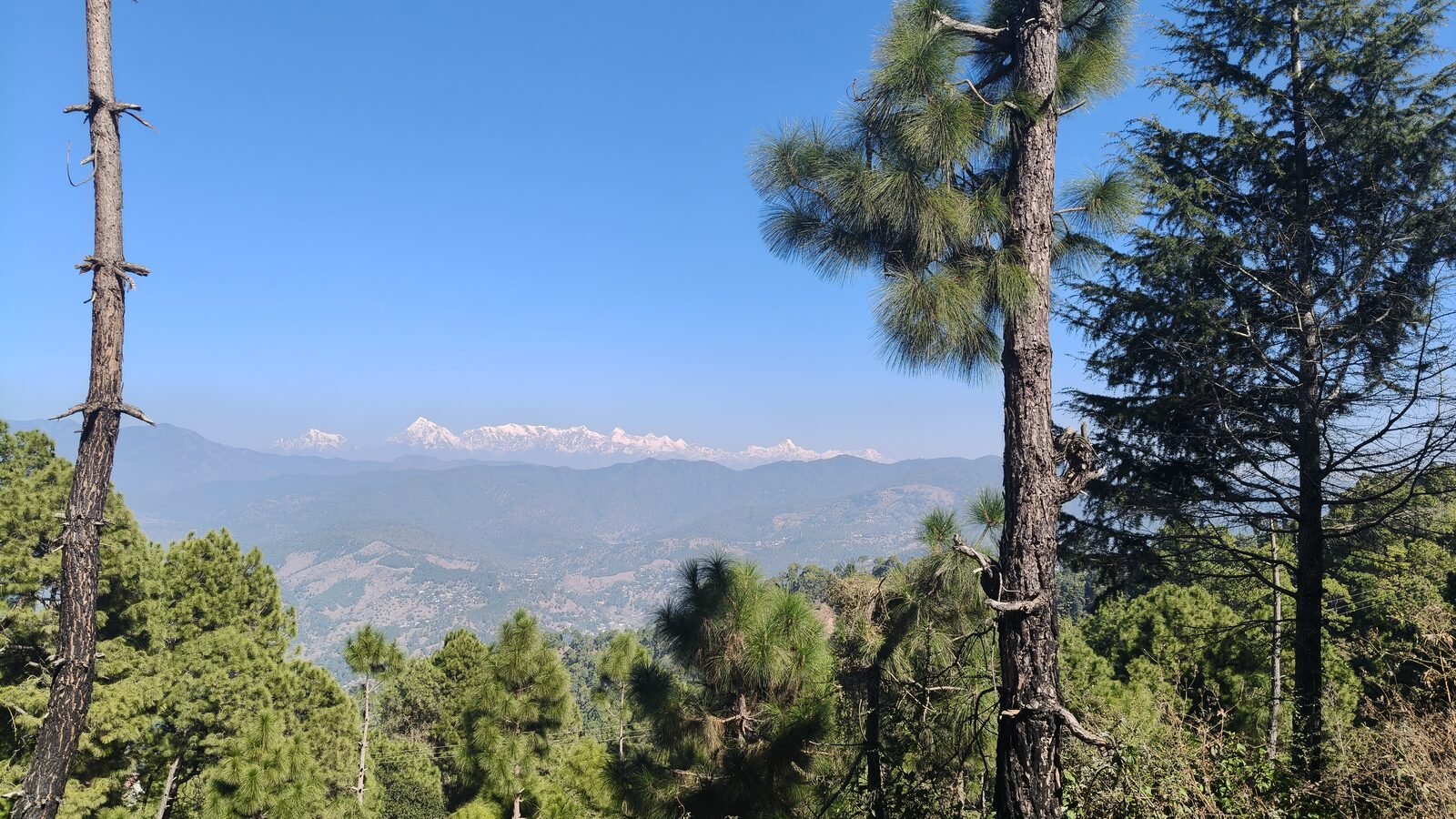
the peaks this week
-
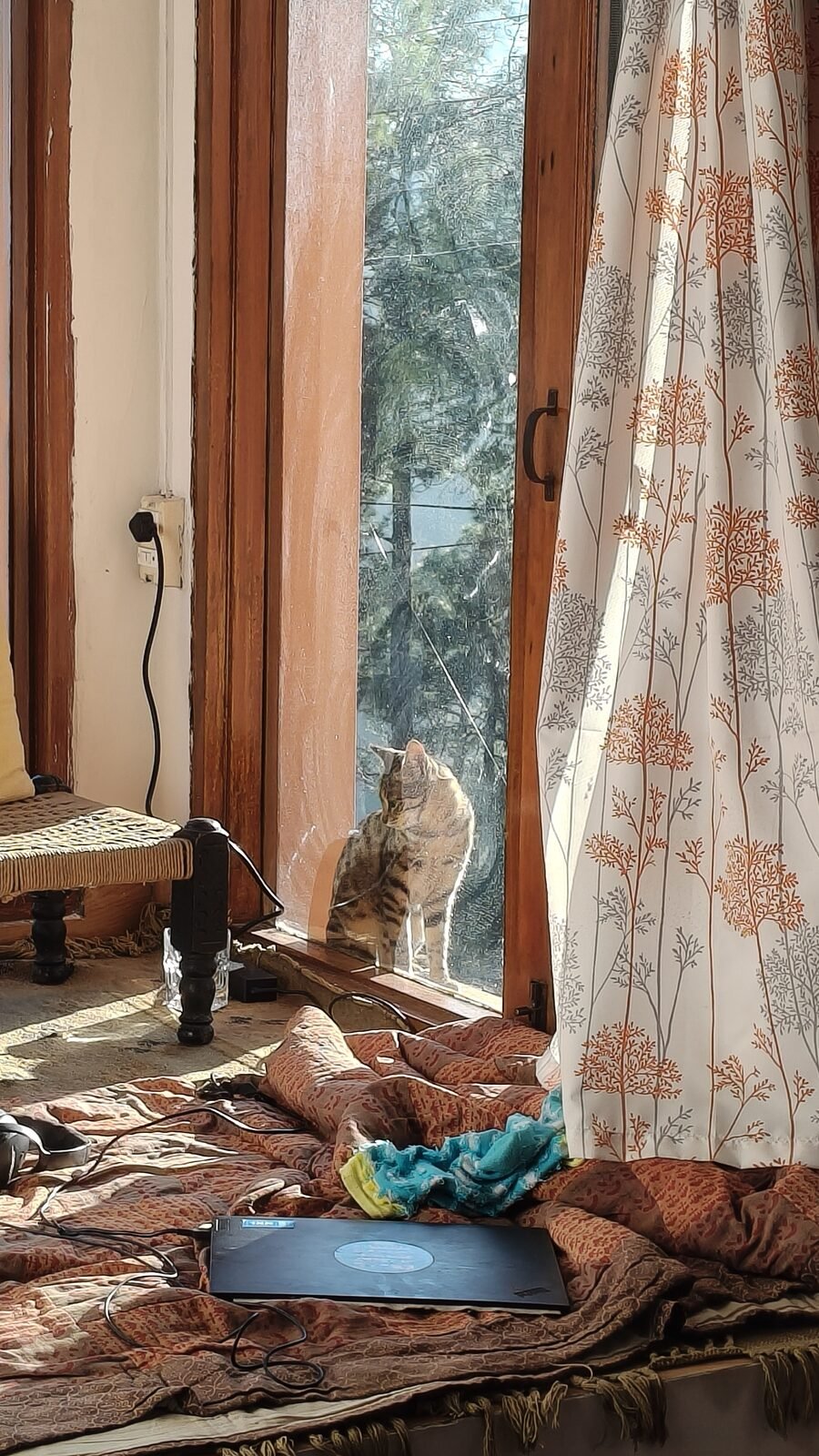
neighborhood cat that visits everyday
-
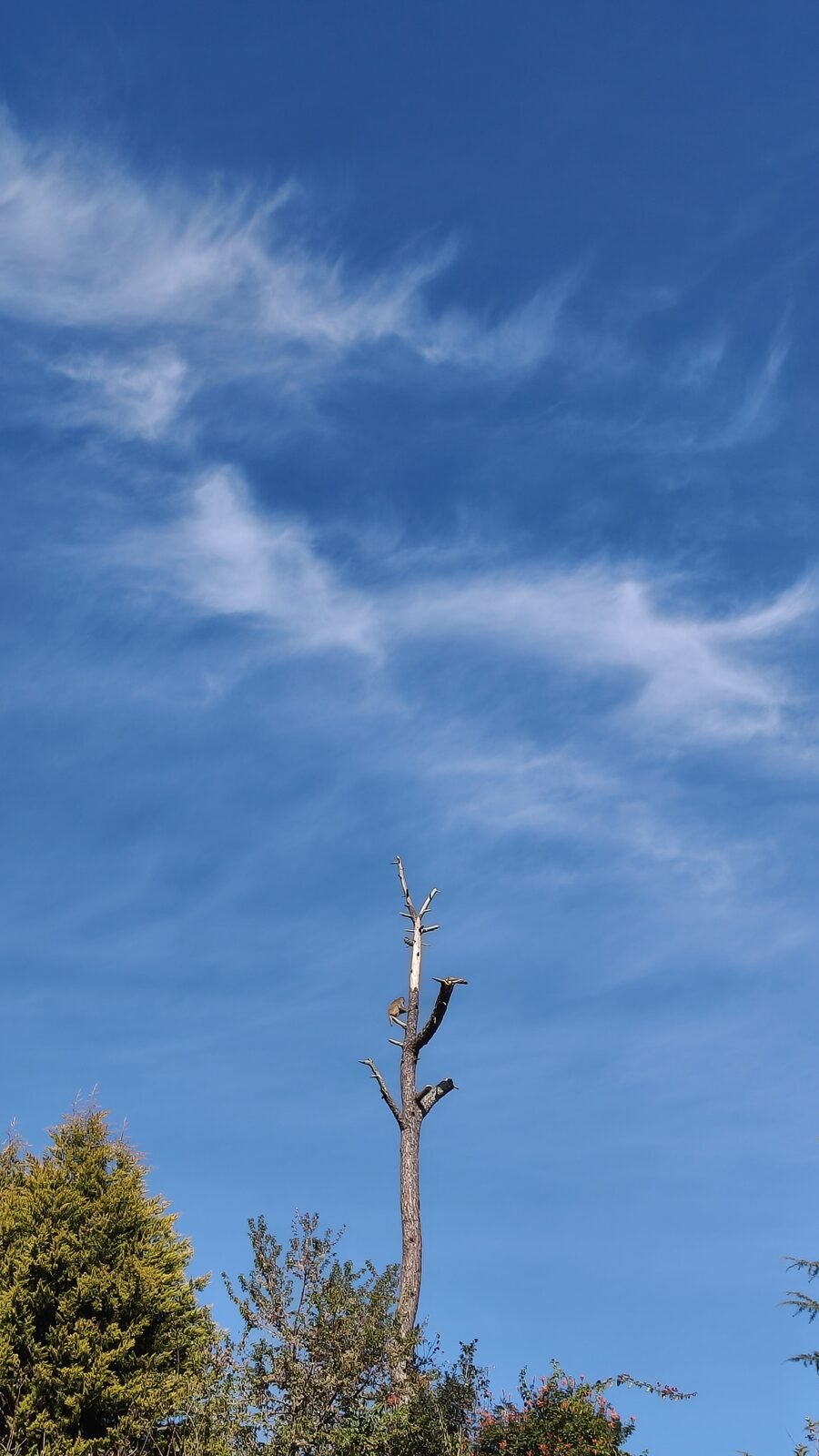
monkey on the lookout
Time seems to flow differently around here. It’s just been a week since the last weekly, but it feels like a lot more. All the non-human activity around here is fun to watch and observe while basking in the winter sun. We already know the names of all the dogs in the neighborhood who greet us on our walks. The Himalayan magpies which almost seem magical with their long tails and their bright blue colors visit us often. There aren’t many monkeys, but we did see a group pass by on one of the days and our local bhotia here had a face off with one of them.
-
-
AI, math and computer science, society
This week’s big news was the Claude proof of 17M lines of Lean code of the Riemann Hypothesis being certified correct. I haven’t read up on any of the discussion around it, and probably don’t know enough Math to make sense of it.
But, these couple of posts on this topic (or related ones) were thought provoking, even if on different ends of the spectrum.
Anil Madhavapeddy’s post on software development possibly being too complex for humans has a couple of interesting ideas – rewriting everything ground-up based on formal specifications and using diversity as a defense mechanism.
On the other hand, Rikab Gambhir asks “Why are we even doing all this?”. In this satirical post he says:
By outsourcing the burdens of curiosity, creativity, and understanding, we can finally focus on what matters most: generating value, maximizing productivity, and accelerating progress towards the ultimate goal of science: a complete repo of potentially true facts in a Library of Babel that nobody will bother reading.
I learnt about Planck’s principle this week.
A new scientific truth does not triumph by convincing its opponents and making them see the light, but rather because its opponents eventually die and a new generation grows up that is familiar with it …
An important scientific innovation rarely makes its way by gradually winning over and converting its opponents: it rarely happens that Saul becomes Paul. What does happen is that its opponents gradually die out, and that the growing generation is familiarized with the ideas from the beginning: another instance of the fact that the future lies with the youth.
This idea intuitively makes sense to me in the general society. I was surprised to hear Planck had this to say about the scientific community. Chaitu has ranted in the past about how biologists have a tough time coming to terms with the idea of theoretical biology and what it should entail. I wonder if this is what Planck was talking about.
I wonder if this is something that could be extended to AI-assisted/boosted programming or other kinds of knowledge work too. Will the next generation of “programmers” or “knowledge workers” be better adapted to working this way, and push the envelope further than we ever could?
-
Workouts, etc.
Uphill runs (4 this week) continue to be my primary workouts, with my days interspersed with Dands, pistol squats, pull-ups from the steel beam, etc.
Also, consider supporting Just.Play, who help children from migrant communities in Bangalore return to learning. You could cancel your Zee5/SunNxT subscription and get this, instead, as 9 said.